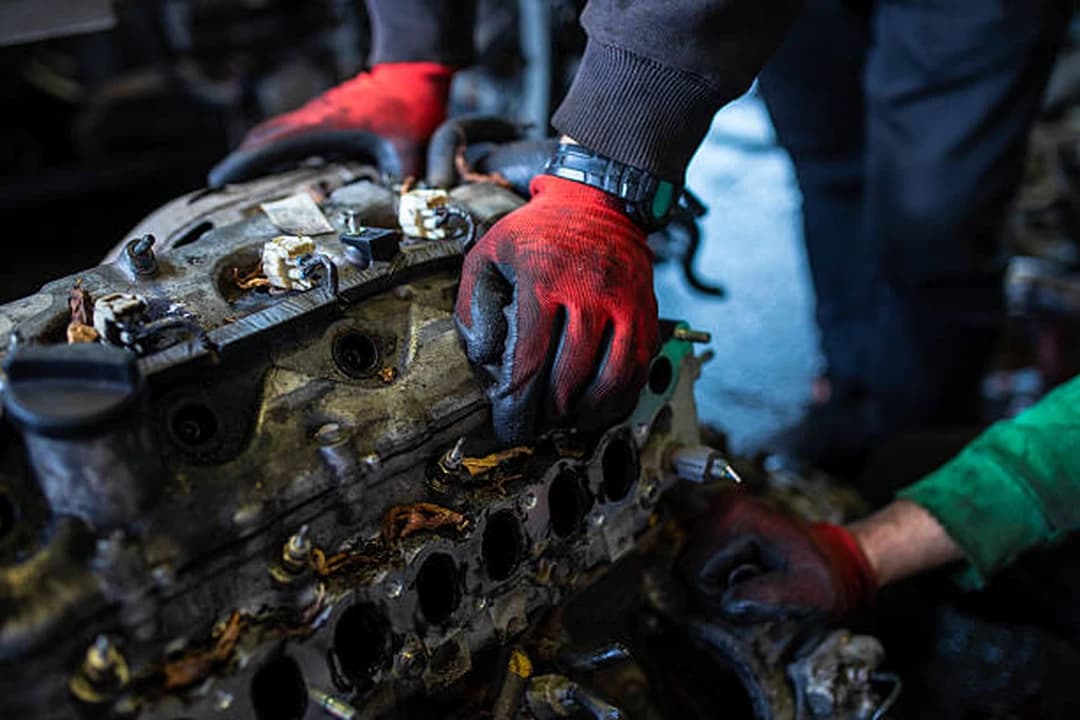
When a rebuild isn't the most cost-effective route, a reconditioned engine is often the answer. The unit is remanufactured to specification, then supplied, fitted and run-tested by our technicians.
We transfer your ancillaries, clear the fault codes, and hand the car back tested and warrantied — with the old unit disposed of responsibly.
What 'reconditioned' actually means
A reconditioned engine is a used unit that has been fully remanufactured back to specification — not simply a second-hand engine pulled from a scrapped car and resold. It's stripped, cleaned, measured, machined where necessary, and rebuilt with new bearings, rings, seals and gaskets, then run-tested before it ever leaves the workshop. That testing is the important part: it's the difference between a known-good engine and a gamble on someone else's mileage.
Reconditioned vs used vs new
A used engine is the cheapest up front and the riskiest — you inherit an unknown service history with little or no warranty. A new engine from the manufacturer is the most reliable and, for most cars past a few years old, wildly uneconomical. A reconditioned unit sits in the middle and is usually the sensible answer: rebuilt to spec, run-tested, warrantied, and a fraction of new price.
When recon beats a rebuild
If your original block is cracked, the bores are scored beyond a rebore, or the engine has been run without oil long enough to destroy the bottom end, rebuilding it stops making financial sense. A reconditioned unit is also often faster, because the engine can be prepared while your car is still on the road rather than sitting stripped in the workshop.
Fitting, ancillaries and getting it right
The unit itself is only half the job. We transfer your ancillaries — manifolds, sensors, injectors, turbo where applicable — inspecting each rather than blindly bolting them across, because a failing sensor or a coked turbo will make a healthy engine look faulty. Fluids are renewed, the timing set, the fault codes cleared, and the car road-tested before it goes back to you. The old unit is disposed of responsibly.
How we do it, step by step
- 01
Identify the engine
We confirm the exact engine code for your vehicle so the correct unit is sourced — not just the right displacement.
- 02
Source and quality-check
The remanufactured unit is sourced and checked on arrival against what was ordered.
- 03
Remove the old engine
Your original comes out and the ancillaries are removed and inspected.
- 04
Fit and transfer
The recon unit goes in, ancillaries transferred, fluids renewed and timing set.
- 05
Test and hand back
Fault codes cleared, engine run up to temperature and road-tested before collection.
What affects the price
- ›Which engine your vehicle takes — common units cost less than rare ones
- ›Whether ancillaries (turbo, injectors, sensors) also need replacing
- ›Labour hours for your specific vehicle — some engines are far easier to access
- ›Whether the original failure damaged anything beyond the engine itself
Typical turnaround: 2–5 working days depending on the vehicle and parts supply
Warranty: The reconditioned unit and our fitting are both covered. Exact terms are confirmed in writing with your quote.
Rebuild, reconditioned or replacement — which is right?
The cheapest route depends on your engine. Here's how the three options compare — we'll advise honestly once we've seen it.
| Option | Typical price | Time | Best when |
|---|---|---|---|
| Engine rebuild | From £1,200 | 2–4 days | The block is sound and you want to keep your original engine |
| Reconditioned engine | From £900 | 2–5 days | Your engine is beyond economical repair |
| Engine replacement | On quote | 1–3 days | You need the fastest route back on the road |
Prices are indicative starting points. We confirm one fixed price before any work begins.
Frequently asked questions
What's the difference between reconditioned and rebuilt?
A rebuild renews your existing engine; a reconditioned engine is a remanufactured unit fitted in place of yours. We'll advise which is more cost-effective for your car.
Is a reconditioned engine reliable?
Yes — a properly remanufactured engine is built back to spec and run-tested. It comes with a warranty on parts and labour.
How long does fitting take?
Typically 2–5 working days depending on the vehicle and parts availability.
Is a reconditioned engine the same as a second-hand one?
No. A second-hand engine is sold as-is with an unknown history. A reconditioned unit has been stripped, machined, rebuilt with new bearings, rings and seals, and run-tested before supply — which is why it carries a warranty.
Will it affect my car's value or history?
A documented reconditioned engine with a warranty is generally viewed positively against the alternative of a failed engine. Keep the paperwork — it's evidence the work was done properly.
Do you transfer my existing turbo and injectors?
Where they're serviceable, yes — and we inspect each one rather than fitting them blind. If something is worn enough to damage the new engine, we'll tell you before it goes on.
What happens to my old engine?
It's disposed of responsibly as part of the job, unless you want to keep it — just say so when you book.
How long will a reconditioned engine last?
Rebuilt to specification and maintained properly, it should give you comparable service to the original. Regular oil changes matter more than anything else.